Introduction to Remote Work Visas
The global shift towards remote work has led to the introduction of remote work visas by several countries, including Montenegro. These visas are specifically designed for digital nomads and remote workers who wish to live in a different country while continuing to work for their employer or run their business remotely. Unlike traditional work visas, which often require a local employer or a job offer from within the country, remote work visas cater to individuals who are employed by companies outside the host nation or are self-employed. This innovative approach acknowledges the evolving nature of work and the increasing number of professionals seeking to blend work with travel.
Remote work visas typically have specific requirements regarding income, employment status, and health insurance. Applicants must usually demonstrate that they have a stable income generated from outside the host country. This is to ensure that individuals can support themselves financially during their stay without seeking local employment. Health insurance is another common requirement, safeguarding both the individual and the host country against unforeseen medical costs. The introduction of these visas reflects a growing recognition of the economic and cultural contributions that digital nomads can bring to a country.
Why Choose Montenegro
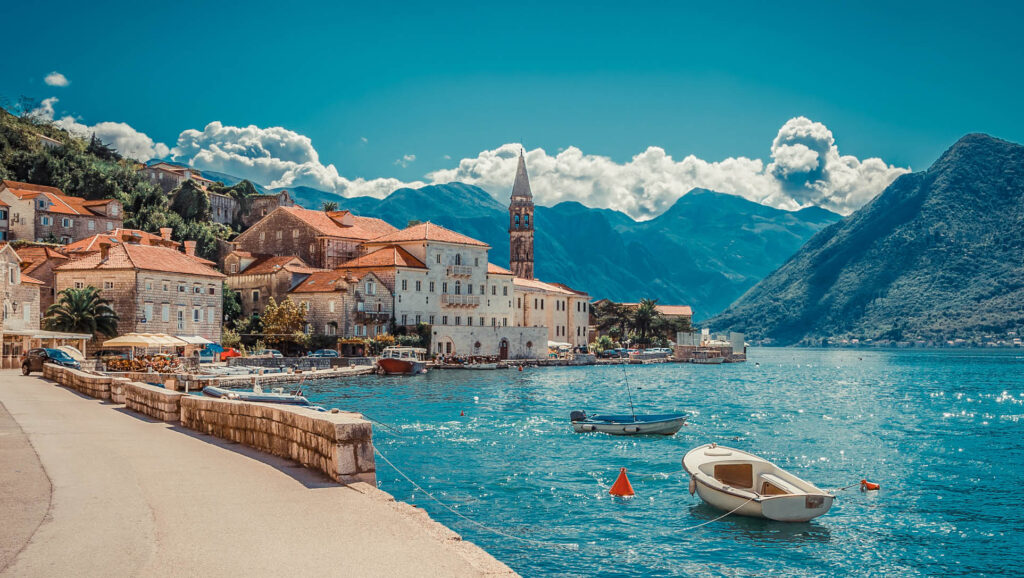
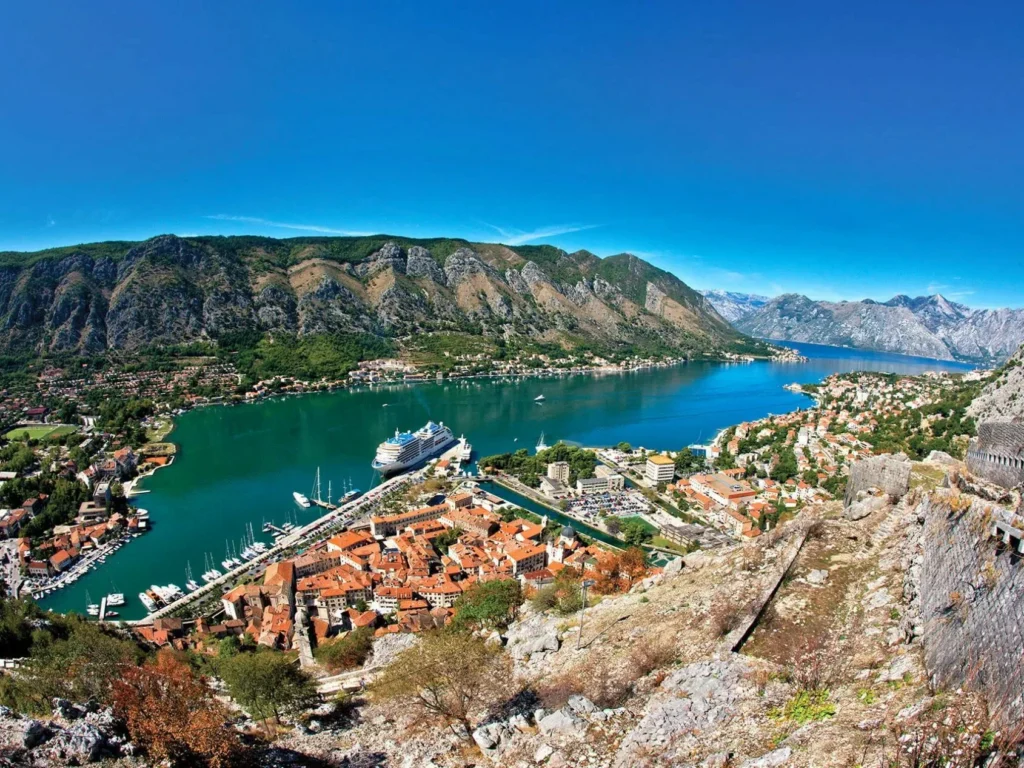
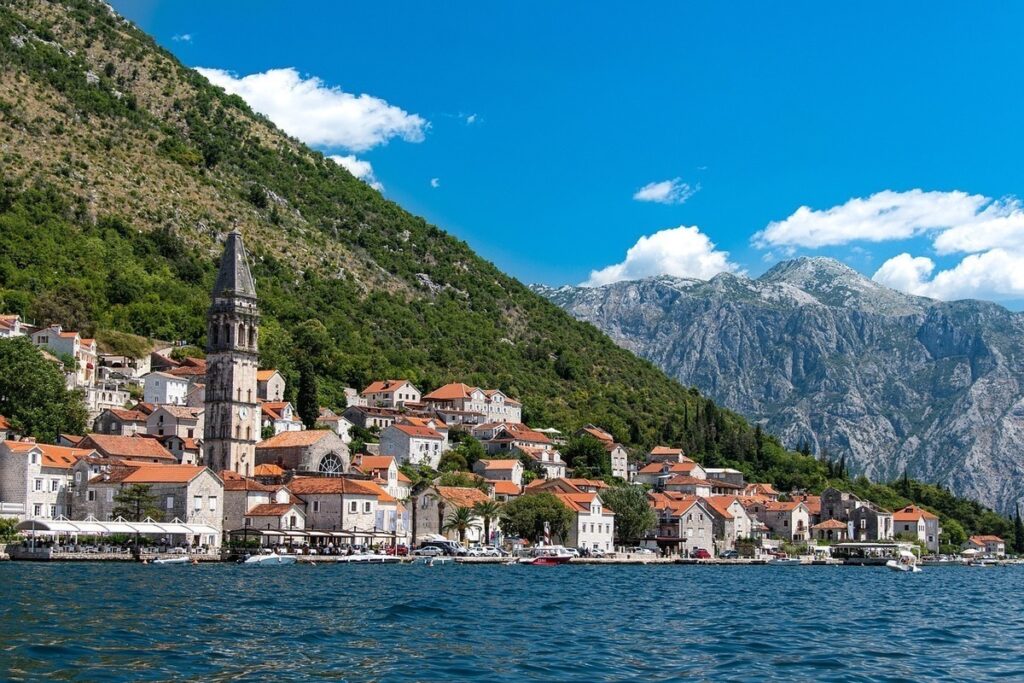
Montenegro stands out as an attractive destination for remote workers for several compelling reasons. Nestled in the Balkans, Montenegro boasts stunning natural landscapes, from its Adriatic coastline to its mountainous interiors, offering an idyllic setting for those seeking inspiration and tranquility in their work environment. Beyond its natural beauty, Montenegro’s strategic location provides easy access to other European countries, making it a convenient base for exploring the continent.
The cultural allure of Montenegro is equally enticing. With a rich history and diverse cultural influences, the country offers a unique blend of experiences for residents and visitors alike. Whether exploring ancient fortresses, savoring local cuisine, or participating in traditional festivals, remote workers can immerse themselves in the vibrant local culture. Moreover, the cost of living in Montenegro is relatively affordable compared to many Western European countries, allowing remote workers to enjoy a comfortable lifestyle without breaking the bank.
Montenegro’s digital infrastructure is also noteworthy. The country has made significant investments in improving its internet connectivity, recognizing the importance of reliable digital access for remote workers. This commitment ensures that professionals can maintain seamless communication with colleagues and clients worldwide, fulfilling their work responsibilities efficiently. For those based in cities like Budva, modern facilities such as a coworking in Montenegro provide an ideal environment for productivity and collaboration. Additionally, the local government has shown a welcoming attitude towards digital nomads, understanding the positive impact they can have on the local economy.
In choosing Montenegro as a base for remote work, individuals not only enjoy a high quality of life but also become part of a growing community of like-minded professionals. This community aspect provides ample opportunities for networking, collaboration, and social engagement, enriching both professional and personal experiences. Thus, Montenegro presents a compelling case for remote workers who wish to combine productivity with adventure and cultural enrichment.
Eligibility Criteria
Eligibility Criteria for Montenegro’s Remote Work Visa
Understanding the eligibility criteria is a crucial step for anyone considering applying for a remote work visa in Montenegro. These criteria are designed to ensure that applicants can sustain themselves financially and meet the country’s legal and regulatory requirements. As remote work becomes increasingly prevalent, Montenegro has tailored its visa requirements to attract a diverse range of skilled professionals who can contribute to the local economy while enjoying the country’s rich cultural and natural offerings.
Who Can Apply
The remote work visa in Montenegro is primarily targeted at digital nomads and professionals who are employed by foreign companies or who operate their own business independently. Eligible applicants typically include individuals from a wide array of professions, such as software developers, writers, consultants, and other roles that do not require a physical presence in a specific location. The key is that these professionals are not seeking employment within Montenegro but are instead maintaining their work commitments abroad. In addition, freelancers and self-employed individuals who can demonstrate a steady stream of work and income are also eligible to apply.
Necessary Qualifications
While the specific qualifications can vary, there are common elements that most applicants will need to satisfy. First and foremost, applicants must provide proof of their employment status. This can be in the form of an employment contract, a letter from an employer, or documentation of their business registration if they are self-employed. It’s essential that this documentation clearly indicates the nature of the work and confirms that the applicant’s employment is not dependent on being in a specific location. Furthermore, applicants may be required to demonstrate professional qualifications or certifications relevant to their field, ensuring that they meet the standards expected within their industry.
Income Requirements
A critical component of the eligibility criteria for the remote work visa in Montenegro is the income requirement. Applicants must demonstrate that they have a stable and sufficient income to support themselves during their stay. This is generally verified through bank statements, pay slips, or tax documents that confirm a regular income stream. The specific amount required can vary, but it is intended to ensure that applicants can meet their living expenses without needing to seek employment within Montenegro. This requirement is in place to provide assurance to the local government that applicants will not become a financial burden on the host country and can independently sustain their lifestyle throughout their stay.
Navigating these eligibility criteria is essential for prospective applicants to ensure their application process is smooth and successful. By meeting these requirements, remote workers can take advantage of the opportunity to live and work in Montenegro, enjoying the unique blend of professional freedom and cultural exploration that the country offers.
Application Process
The Application Process for Montenegro’s Remote Work Visa
Embarking on the journey to secure a remote work visa in Montenegro requires careful attention to detail and thorough preparation. The application process is structured to ensure that candidates meet the necessary requirements while providing a straightforward pathway for digital nomads to begin their stay in this picturesque Balkan country. Understanding each step of the process will help applicants navigate the requirements efficiently and increase their chances of a successful application.
Gathering Required Documents
The first step in applying for a remote work visa in Montenegro involves assembling a comprehensive set of documents, which serve as the foundation of the application. Applicants must provide proof of employment or business ownership, such as employment contracts, official letters from employers, or business registration documents, clearly outlining the nature of their work and confirming their remote status. Additionally, applicants need to gather financial documents, including recent bank statements and income verification, to demonstrate their financial stability and ability to support themselves during their stay. Health insurance coverage is another crucial requirement; thus, applicants must submit proof of valid health insurance that covers them in Montenegro. A valid passport, with sufficient validity beyond the intended stay, is also essential. Ensuring that all documents are correctly prepared and translated into Montenegrin, if necessary, will facilitate a smoother application process.
Submitting the Application
Once all necessary documents are compiled, the next step is to submit the application. Applicants typically need to apply at a Montenegrin consulate or embassy in their home country or current country of residence. It is important to verify the specific procedures and any additional requirements that may be particular to each consulate. During the submission process, applicants may be required to attend a personal interview or provide biometric data, such as fingerprints. The consulate will review the application to ensure all criteria are met and that the documentation is complete and accurate. Applicants should be prepared for potential follow-up requests for additional information or clarifications, which can expedite processing times if promptly addressed.
Application Fees
An essential aspect of the application process is the payment of the visa fees, which are required to cover the administrative costs associated with processing the application. The fees can vary depending on the applicant’s nationality and the specific terms of the visa being applied for. Applicants should inquire about the exact fee amount from the Montenegrin consulate and ensure that they are prepared to pay the fee in the required currency or through specified payment methods. It’s advisable to retain proof of payment, as this may be requested during the visa processing. Understanding and preparing for these fees in advance can help prevent any unexpected delays in the application process.
By thoroughly understanding and adhering to each aspect of the application process, prospective remote workers can enhance their chances of obtaining a remote work visa in Montenegro. This proactive approach not only simplifies the procedure but also allows applicants to focus on planning their new life in this beautiful country, confident in their ability to live and work remotely with ease.
Required Documents
Essential Documents for Montenegro’s Remote Work Visa Application
Securing a remote work visa in Montenegro requires a well-prepared application supported by a detailed set of documents. These documents serve to verify the applicant’s eligibility and ensure that they meet all necessary requirements to live and work remotely in the country. A thorough understanding of each document’s significance and preparation is essential for a smooth application process.
Proof of Employment
One of the core elements of the application is proof of employment, which confirms the applicant’s professional status and their capacity to work remotely. This documentation can take several forms, depending on the applicant’s employment situation. For those employed by a company, an employment contract or an official letter from the employer outlining the terms of employment, the role of the applicant, and the remote nature of the job is required. For self-employed individuals or freelancers, a business registration certificate, portfolio of work, or client contracts may be necessary to substantiate their professional activities. Ensuring that these documents clearly articulate the applicant’s employment status and remote work capability is crucial for meeting this requirement.
Identification Documents
Identification documents are fundamental to verifying the applicant’s identity and legal status. A valid passport is the primary identification document required, with a stipulation that it must have sufficient validity extending beyond the intended duration of stay in Montenegro. Applicants should ensure that their passport is current and has enough blank pages for visa stamps. In some cases, additional identification may be requested, such as a national identity card or a birth certificate, particularly if they are needed to corroborate personal details. It is advisable to have these documents translated into Montenegrin if they are not already in the language, to facilitate processing.
Health Insurance
Health insurance is another essential requirement, designed to ensure that the applicant has adequate medical coverage during their stay in Montenegro. Applicants must provide proof of health insurance that is valid in Montenegro, covering potential medical expenses and emergencies. This insurance should ideally cover a broad range of medical services, from routine check-ups to emergency care, safeguarding both the individual and the local healthcare system from unforeseen costs. Insurance policies should be thoroughly reviewed to ensure they meet the necessary coverage requirements, and applicants may need to provide policy documents or a certificate of insurance as part of their application.
Proof of Accommodation
Proof of accommodation is required to demonstrate that the applicant has a place to reside during their stay in Montenegro. This can be evidenced through a rental agreement, a letter of invitation from a host, or a confirmation of booking from a hotel or other lodging facility. The documentation should clearly state the address and duration of the accommodation arrangement. Providing this information assures the Montenegrin authorities that the applicant has secured suitable living arrangements, which is critical for the visa approval process.
By meticulously preparing and organizing these documents, applicants can significantly enhance their chances of a successful remote work visa application to Montenegro. Each document plays a vital role in establishing the applicant’s credentials and readiness to live and work in the country, thus paving the way for a fulfilling remote work experience in this beautiful Balkan nation.
Application Timeline
Understanding the Application Timeline for Montenegro’s Remote Work Visa
Navigating the timeline for applying for a remote work visa in Montenegro is crucial for prospective applicants to ensure a seamless transition to living and working in the country. Being aware of the various timeframes involved—from processing times and application deadlines to the validity period of the visa—can help applicants plan effectively and avoid unnecessary delays.
Processing Time
The processing time for a remote work visa application in Montenegro can vary depending on several factors, including the completeness of the application and the current workload of the consulate or embassy handling the application. Generally, applicants can expect the processing to take anywhere from a few weeks to a couple of months. It is advisable for applicants to begin the application process well in advance to accommodate any unexpected delays. Having all required documents prepared and properly organized can significantly expedite the review process, reducing the likelihood of additional requests for information that could prolong the timeline.
Application Deadlines
Unlike some visa types that have strict seasonal or annual deadlines, remote work visas typically do not have fixed application deadlines. However, it is important for applicants to be mindful of any specific timelines set by the Montenegrin authorities or the consulate through which they are applying. Staying informed about any changes in visa policy or application procedures is essential and can often be achieved by regularly consulting official government or consulate websites. Starting the application process early also allows for ample time to address any potential issues that may arise, such as additional documentation requests or scheduling conflicts for required appointments.
Visa Validity Period
Once granted, the remote work visa for Montenegro offers a validity period that allows digital nomads to reside in the country for an extended duration. Typically, these visas are issued for a period of up to one year, with the possibility of renewal, provided that the applicant continues to meet the necessary requirements. The validity period allows remote workers to immerse themselves in the Montenegrin lifestyle, contributing to the local economy while enjoying the country’s natural beauty and cultural richness. It is crucial for visa holders to be aware of the expiration date of their visa and to initiate any required renewal processes well in advance, should they wish to extend their stay beyond the initial term.
Understanding the application timeline for Montenegro’s remote work visa is integral to a successful application process. By planning accordingly and maintaining awareness of key dates and durations, applicants can better manage their transition to living and working in Montenegro, ensuring a smooth and rewarding experience in this captivating country.
Living in Montenegro
Navigating Life as a Remote Worker in Montenegro
Relocating to Montenegro with a remote work visa presents an exciting opportunity for individuals to experience a new culture while maintaining their professional commitments. Understanding the cost of living, cultural nuances, and working conditions in Montenegro can greatly enhance the experience of living and working in this enchanting Balkan country.
Cost of Living
Montenegro is known for its relatively affordable cost of living compared to many Western European countries. This affordability extends to various aspects of daily life, including housing, groceries, and transportation. For accommodation, individuals will find a range of options from modern apartments in urban centers like Podgorica and Tivat to charming rural homes in the picturesque countryside. Rent prices can vary significantly based on location, with coastal areas generally commanding higher rates. However, even in more expensive regions, the cost remains competitive. Groceries and dining out are also reasonably priced, allowing residents to enjoy local culinary delights without straining their budget.
Cultural Considerations
The cultural landscape in Montenegro is rich and diverse, shaped by a blend of Eastern European, Adriatic, and Mediterranean influences. Understanding and respecting local customs can greatly enhance one’s experience in the country. Montenegrins are known for their warm hospitality and strong sense of community, making social interactions both welcoming and rewarding. It is common for people to greet each other with a friendly handshake or a kiss on both cheeks. Language can be a barrier for some, as Montenegrin is the official language; however, many locals, particularly in urban and tourist areas, speak English. Embracing the cultural diversity and participating in local traditions, such as celebrating national holidays and attending cultural festivals, can foster a deeper connection to the community.
Working Conditions
For remote workers, Montenegro offers a conducive environment with a growing infrastructure to support digital work. The country’s investment in improving internet connectivity ensures that remote workers have access to reliable and fast internet, a crucial aspect of maintaining productivity and communication. Additionally, coworking spaces are becoming increasingly popular in major cities, providing facilities and networking opportunities for professionals. These spaces offer a collaborative environment that can be particularly beneficial for freelancers and entrepreneurs looking to expand their professional circle. While the work culture in Montenegro can differ from that in other countries, remote workers often find that the relaxed pace of life allows for a healthy work-life balance, with ample opportunities to explore the country’s natural beauty during leisure time.
By considering these factors, remote workers can effectively navigate life in Montenegro, making the most of their stay while contributing to their professional growth and personal enrichment. Whether enjoying the affordable living, engaging with the local culture, or adapting to the working environment, Montenegro offers a unique and fulfilling experience for those who choose to make it their temporary home.
Common Challenges
Navigating Common Challenges for Remote Workers in Montenegro
While Montenegro offers numerous benefits for remote workers, including beautiful landscapes and a welcoming community, there are certain challenges that individuals may face when adapting to life and work in this Balkan nation. Understanding these potential hurdles, such as language barriers, local regulations, and technical infrastructure, can help remote workers prepare and adjust more effectively.
Language Barriers
One of the primary challenges for expatriates in Montenegro is the language barrier. The official language, Montenegrin, is a South Slavic language, which can be difficult for those unfamiliar with Slavic languages. While English is spoken by many, particularly among younger generations and in urban areas, there may still be situations where communication in English is limited. To mitigate this, remote workers can benefit from learning basic Montenegrin phrases, which can greatly enhance day-to-day interactions and demonstrate respect for local culture. Language learning apps, online courses, or community language classes can be invaluable resources for acquiring language skills.
Adapting to Local Regulations
Understanding and adapting to local regulations is another potential challenge for remote workers in Montenegro. The country has specific legal requirements and bureaucratic procedures that must be navigated, particularly concerning visa renewals, taxation, and business operations. These processes can be complex and may differ significantly from those in an expatriate’s home country. It is crucial for remote workers to familiarize themselves with these regulations and seek professional advice when necessary. Engaging with local legal experts or consulting with expatriate communities can provide valuable insights into navigating the regulatory landscape effectively, ensuring compliance and avoiding potential legal issues.
Technical Infrastructure
While Montenegro has made significant strides in improving its technical infrastructure, remote workers may still encounter occasional challenges related to internet connectivity and digital resources. Reliable internet access is essential for remote work, and in most urban centers, connectivity is strong and improving. However, those residing in rural or remote areas might experience slower speeds or less reliable service. Before settling in a specific location, it is advisable to research the available internet options and consider investing in backup solutions, such as mobile data plans or portable Wi-Fi devices, to ensure uninterrupted access. Additionally, while coworking spaces are available in major cities, the availability of such facilities can be limited in smaller towns, necessitating a degree of adaptability and self-reliance.
By proactively addressing these common challenges, remote workers can enhance their experience in Montenegro, ensuring their time in the country is both productive and enjoyable. With preparation and an open mindset, expatriates can successfully navigate language, regulatory, and technical hurdles, allowing them to fully embrace the opportunities Montenegro has to offer.
Conclusion
Concluding Steps for Applying for a Remote Work Visa in Montenegro
Embarking on the journey to secure a remote work visa in Montenegro involves several essential steps and considerations. Summarizing the key procedures and offering final advice can guide prospective applicants toward a successful application and a rewarding experience in this beautiful country.
Summary of Key Steps
The process begins with understanding the eligibility criteria, where applicants need to verify that they meet requirements such as having a stable remote job or business, a sufficient income, and valid health insurance. Gathering the necessary documents is the next critical step, requiring proof of employment, identification, health insurance, and accommodation. Each document must be accurately prepared and, if needed, translated into Montenegrin to facilitate a smooth application process.
Once the documentation is complete, applicants must submit their application to the appropriate Montenegrin consulate or embassy, keeping in mind the processing time, which can range from several weeks to a few months. Being aware of any application deadlines and ensuring all fees are paid promptly is crucial to avoid delays. Upon approval, applicants receive their visa, which generally allows for a stay of up to one year, with the possibility of renewal, provided they continue to meet the necessary conditions.
Final Tips for Applicants
To enhance the likelihood of a successful application and a rewarding stay in Montenegro, applicants should consider a few additional tips. First, thorough preparation cannot be overstated. Ensuring all documents are in order and understanding the requirements can prevent common pitfalls. It is also beneficial to stay informed about any changes in visa regulations or procedures by regularly checking official government websites or consulting with legal professionals.
Moreover, applicants should embrace the cultural and logistical aspects of living in Montenegro. Learning basic Montenegrin phrases, understanding local customs, and familiarizing oneself with the regulatory environment can greatly enhance the transition. Additionally, planning for potential technical infrastructure challenges by securing reliable internet solutions will support a seamless remote work experience.
Finally, connecting with other expatriates and local communities can provide valuable support and insights. Networking with fellow remote workers and participating in local events can enrich both professional and personal experiences, fostering a sense of belonging and facilitating cultural integration.
By following these comprehensive steps and considering these practical tips, applicants can navigate the path to obtaining a remote work visa in Montenegro with confidence. This preparation paves the way for a successful and enjoyable stay in a country that offers a unique blend of professional opportunity and cultural exploration.