Understanding Remote Work in Montenegro
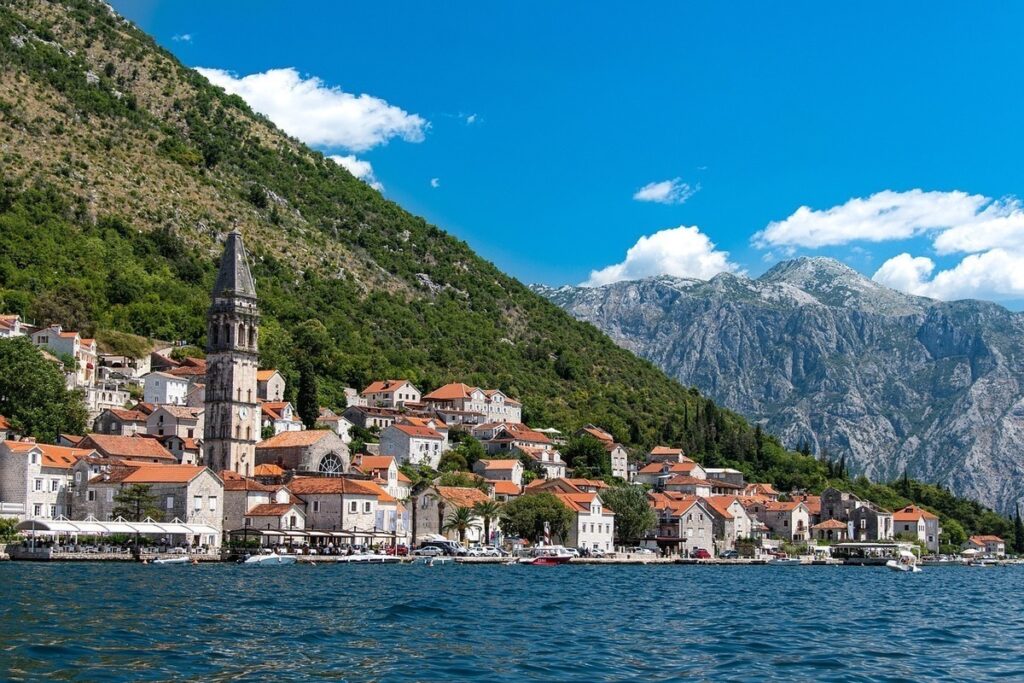
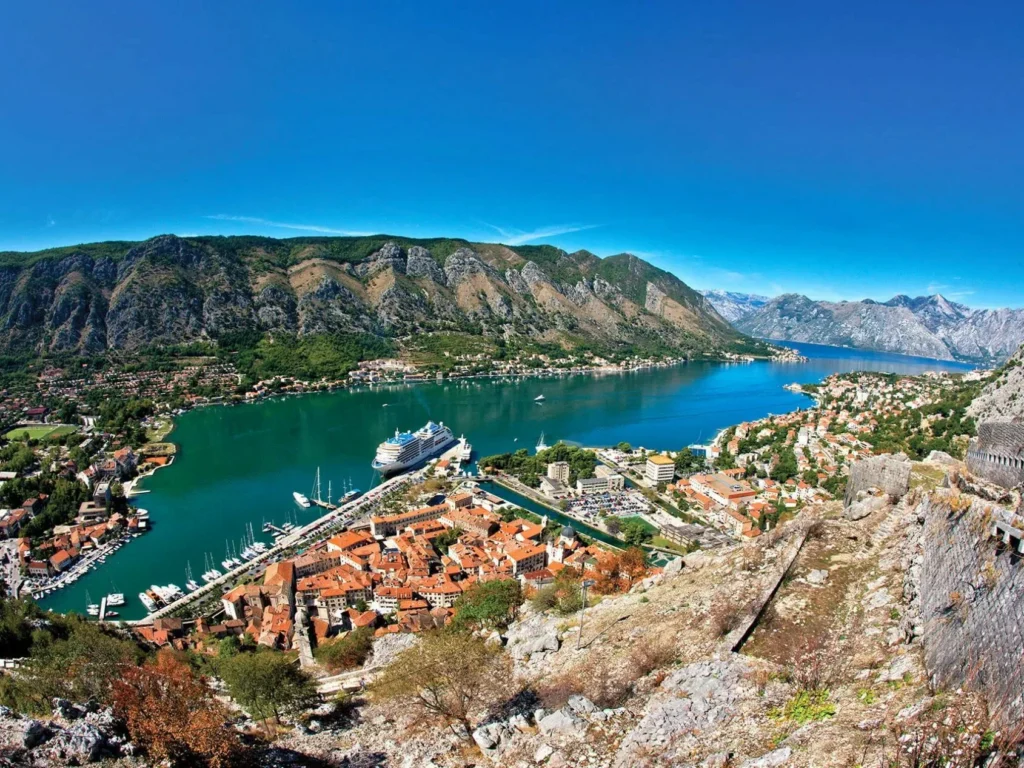
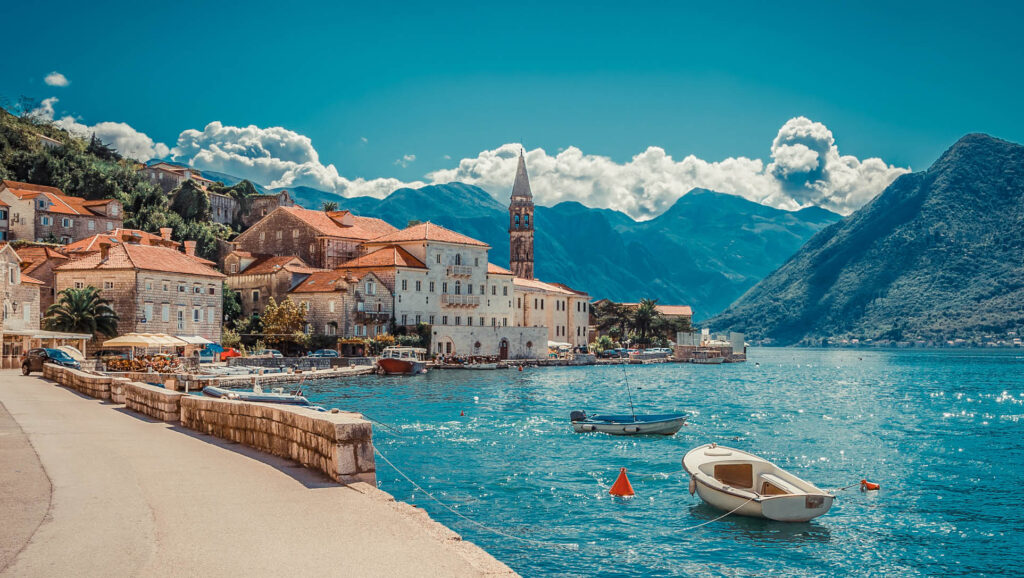
Montenegro, with its stunning landscapes and welcoming environment, is increasingly becoming a hotspot for remote workers seeking a balance between professional commitments and a high quality of life. The country’s strategic location in Southeastern Europe, coupled with a relatively low cost of living and rich cultural heritage, makes it an attractive destination for digital nomads and expatriates. As remote work gains traction globally, Montenegro is capitalizing on this trend by enhancing its digital infrastructure and offering a favorable climate for those who wish to work from its scenic locales.
The rise of remote work in Montenegro is supported by the availability of modern coworking spaces, reliable internet connectivity, and a growing community of like-minded professionals. For instance, cities like Budva are home to innovative coworking spaces , which provide remote workers with access to high-speed internet, ergonomic workstations, and opportunities for collaboration. This environment not only fosters productivity but also encourages networking and collaboration among remote workers from diverse backgrounds.
Importance of Legal and Financial Awareness
For remote workers in Montenegro, understanding the legal and financial framework is crucial to ensuring compliance and making the most of their stay in the country. Navigating visa and residency requirements, understanding taxation obligations, and managing financial transactions are all integral aspects of living and working abroad.
Being informed about legal and financial responsibilities helps remote workers avoid potential pitfalls, such as unexpected tax liabilities or issues with residency status. Additionally, understanding local labor laws and contractual obligations is essential for those who work with Montenegrin clients or businesses, ensuring that their rights and intellectual property are protected.
Financial awareness extends beyond compliance; it encompasses effective management of personal finances, including setting up local bank accounts and understanding currency exchanges. Moreover, securing appropriate health insurance and understanding healthcare options are vital components of planning for a safe and secure stay in Montenegro.
By equipping themselves with knowledge of the legal and financial aspects of remote work in Montenegro, individuals can focus on enjoying the benefits of their new environment, confident in their ability to navigate the complexities of international living. This proactive approach not only enhances the remote work experience but also lays the groundwork for a successful and rewarding tenure in Montenegro.
Visa and Residency Requirements
Navigating Visa and Residency Requirements in Montenegro
For remote workers planning to relocate to Montenegro, understanding the visa and residency requirements is a crucial step in ensuring a smooth transition. The process involves selecting the appropriate visa type, navigating the application procedures, and securing the necessary residency permits to legally reside and work in the country.
Types of Visas
Montenegro offers several types of visas catering to different needs, and selecting the right one depends on the nature and duration of your stay. For short-term visits, a tourist visa may suffice, allowing stays of up to 90 days within a 180-day period for citizens of countries outside the visa-free regime. However, for remote workers intending to stay longer, a temporary residence visa is more appropriate. This visa can be issued for various purposes, including employment, business, or family reunification. It is important to identify the correct visa category that aligns with your work and personal circumstances to ensure compliance with Montenegrin regulations.
Application Process
The application process for obtaining a visa to Montenegro involves several steps and the preparation of specific documentation. Applicants must submit their visa applications through Montenegrin embassies or consulates in their home country. Required documents typically include a valid passport, proof of employment or financial stability, health insurance, and a clear statement of purpose for visiting Montenegro. The processing times can vary, so it is advisable to begin the application process well in advance of your planned departure. Additionally, ensuring that all documents are complete and accurate will help avoid unnecessary delays or complications.
Residency Permits
For remote workers planning an extended stay in Montenegro, obtaining a residency permit is essential. Temporary residence permits are typically granted for a period of up to one year and can be renewed annually. The process for obtaining a residency permit requires similar documentation to the visa application, with additional requirements such as proof of accommodation and a police clearance certificate. Once granted, the residency permit allows remote workers to legally reside and work in Montenegro, providing access to local services and amenities.
It is important for remote workers to stay informed about any changes in visa and residency regulations, as these can impact their legal status in the country. Consulting with legal experts or local authorities can provide valuable guidance and ensure that all requirements are met. By navigating the visa and residency process effectively, remote workers can focus on their professional and personal endeavors in Montenegro, confident in their legal standing.
Taxation and Financial Obligations
Understanding Taxation and Financial Obligations in Montenegro
For remote workers in Montenegro, comprehending the local taxation system and financial obligations is essential to ensure compliance and effective financial management. This involves understanding tax residency rules, income tax rates, and social security contributions, all of which are crucial components of the country’s fiscal landscape.
Tax Residency Rules
Determining tax residency is the first step in understanding your tax obligations in Montenegro. According to Montenegrin law, an individual is considered a tax resident if they spend at least 183 days in the country within a calendar year or if they have their center of vital interests in Montenegro. Being classified as a tax resident means that you are subject to taxation on your worldwide income, whereas non-residents are only taxed on income sourced within Montenegro. It is important for remote workers to carefully track their time spent in the country and maintain documentation to accurately establish their residency status.
Income Tax Rates
Montenegro offers a relatively straightforward income tax system with a flat tax rate. As of the latest regulations, the personal income tax rate is set at 9% for most income types, which is competitive compared to many other European countries. This flat rate applies to employment income, self-employment income, and other forms of personal income. It is essential for remote workers to declare their income accurately and ensure timely filing of tax returns to avoid penalties. While the flat tax rate simplifies the process, consulting with a local tax advisor can provide clarity and ensure that all tax obligations are met in accordance with Montenegrin law.
Social Security Contributions
Social security contributions are another important aspect of financial obligations in Montenegro. These contributions are mandatory for both employees and self-employed individuals, covering benefits such as health insurance, pension, and unemployment insurance. For employees, contributions are typically shared between the employer and employee, with specific rates applied to gross salary. Self-employed individuals are responsible for paying the full amount of their contributions based on their declared income. Understanding these obligations and their impact on net income is crucial for financial planning and budgeting.
Navigating the taxation and financial obligations in Montenegro requires diligence and informed decision-making. By understanding tax residency rules, income tax rates, and social security contributions, remote workers can ensure compliance and effectively manage their finances while enjoying the benefits of living and working in Montenegro. Engaging with local tax professionals can provide invaluable guidance and support, helping remote workers optimize their financial strategies in alignment with Montenegrin regulations.
Setting Up a Bank Account
Establishing a Bank Account in Montenegro
Setting up a local bank account in Montenegro is a significant step for remote workers seeking to streamline their financial transactions and manage their finances effectively. The process involves selecting the right bank, preparing the necessary documentation, and understanding how to manage finances locally.
Choosing a Bank
Montenegro’s banking sector includes both local and international banks, offering a range of services tailored to meet the needs of expatriates and remote workers. When choosing a bank, it is important to consider factors such as the availability of online banking services, customer service quality, branch and ATM accessibility, and the range of financial products offered. Some of the prominent banks in Montenegro include CKB (Crnogorska Komercijalna Banka), NLB Banka, and Erste Bank. Many of these banks provide services in English, making it easier for foreigners to navigate the banking process. Comparing account fees, currency exchange rates, and additional services, such as savings accounts or investment options, can help in selecting the most suitable bank for your needs.
Required Documentation
Opening a bank account in Montenegro requires the preparation of specific documentation to comply with regulatory standards. Typically, you will need to provide a valid passport or identification card, proof of address in Montenegro (such as a utility bill or rental agreement), and a tax identification number. Some banks may also request proof of employment or income, such as a work contract or a recent pay slip, especially if you intend to apply for additional services like loans or credit cards. It is advisable to contact your chosen bank in advance to confirm their specific requirements and ensure you have all the necessary documents ready.
Managing Finances Locally
Once your bank account is established, managing finances locally becomes more streamlined. A Montenegrin bank account allows you to receive payments, pay bills, and make transactions in the local currency, the Euro, without incurring foreign exchange fees. Online banking services offered by most banks facilitate convenient management of your account, enabling you to monitor balances, transfer funds, and pay utilities from anywhere. Additionally, having a local account can simplify tax payments and social security contributions, ensuring compliance with Montenegrin financial regulations.
For remote workers, understanding the local banking system and effectively managing finances is crucial for a smooth and efficient financial experience in Montenegro. Regularly reviewing account statements and staying informed about any changes in banking fees or services can further enhance financial management, allowing you to focus on your professional and personal pursuits in this beautiful country.
Employment and Contractual Considerations
Navigating Employment and Contractual Considerations in Montenegro
For remote workers in Montenegro, understanding employment and contractual obligations is essential to ensure legal compliance and protect professional interests. This involves gaining clarity on contract terms, familiarizing oneself with local labor laws, and safeguarding intellectual property rights.
Understanding Contracts
Contracts are the cornerstone of professional engagements, delineating the rights and responsibilities of all parties involved. In Montenegro, remote workers should ensure that any contract they enter into is comprehensive and clear, covering aspects such as scope of work, payment terms, deadlines, and termination clauses. It is advisable to have contracts reviewed by a legal professional, particularly if they involve significant financial commitments or long-term engagements. Understanding the nuances of Montenegrin contract law, including any specific clauses related to remote work, can prevent misunderstandings and disputes. Additionally, ensuring that contracts are drafted in a language understood by all parties, with certified translations if necessary, is crucial for maintaining transparency and trust.
Labor Laws
Montenegro’s labor laws provide a framework for employment relationships, safeguarding the rights of both employers and employees. While remote workers, particularly those employed by foreign entities, may not be subject to all local labor regulations, understanding these laws is beneficial for those engaging with Montenegrin clients or businesses. Key aspects include regulations on working hours, minimum wage standards, and health and safety requirements. Remote workers should also be aware of any legal obligations related to social security contributions and taxation when working with local companies. Staying informed about changes in labor laws and ensuring compliance with all applicable regulations is essential for maintaining a lawful and harmonious working relationship.
Intellectual Property Rights
Protecting intellectual property (IP) is critical for remote workers who create original content, designs, or products. Montenegro’s intellectual property laws are designed to protect the rights of creators and innovators, covering areas such as copyrights, trademarks, and patents. Remote workers should ensure that any IP they develop is safeguarded by clearly outlining ownership rights in contracts and agreements. This is particularly important for freelancers and entrepreneurs who may collaborate with multiple clients or partners. Registering IP with the appropriate authorities in Montenegro can provide additional protection and legal recourse in the event of infringement.
By understanding contracts, labor laws, and intellectual property rights, remote workers in Montenegro can navigate their professional landscape with confidence. This knowledge not only ensures compliance with local regulations but also protects their interests, allowing them to focus on their work and enjoy the many benefits of living in Montenegro.
Insurance and Healthcare
Navigating Insurance and Healthcare in Montenegro
For remote workers in Montenegro, understanding the landscape of insurance and healthcare is critical to ensuring personal well-being and managing potential risks. This involves exploring health insurance options, accessing medical services, and considering additional insurance needs.
Health Insurance Options
Securing appropriate health insurance is a primary concern for remote workers living in Montenegro. The country offers a range of health insurance options, from public healthcare coverage to private insurance plans. Public health insurance, managed by the Health Insurance Fund of Montenegro, is available to residents and covers essential medical services. However, it may not include all treatments or provide the same level of coverage as private insurance. For those seeking more comprehensive coverage, private health insurance is an attractive option. Numerous international and local insurers offer plans tailored to expatriates, covering a broader range of services, including specialist consultations, dental care, and access to private healthcare facilities. It is advisable to compare different plans and choose one that aligns with your health needs and financial circumstances.
Accessing Medical Services
Montenegro’s healthcare system comprises both public and private facilities, providing a range of medical services to residents and expatriates. Public hospitals and clinics are located in major cities and towns, offering basic healthcare services. While the quality of care is generally adequate, facilities may experience longer wait times and limited availability of specialized treatments. Private healthcare providers, on the other hand, often offer shorter wait times, modern facilities, and English-speaking staff, making them a preferred choice for many expatriates. Remote workers should familiarize themselves with the healthcare providers in their area and understand the procedures for accessing medical services, including the necessary documentation and insurance details.
Additional Insurance Needs
Beyond health insurance, remote workers may consider additional insurance to safeguard against unforeseen events. Travel insurance is beneficial for those who frequently travel within Europe or return to their home country, providing coverage for trip cancellations, lost luggage, and medical emergencies abroad. Liability insurance is another consideration, particularly for freelancers and entrepreneurs, as it protects against potential claims of negligence or damages related to their professional activities. Evaluating the potential risks and selecting appropriate insurance coverage can provide peace of mind and financial protection.
By understanding the health insurance landscape, knowing how to access medical services, and considering additional insurance needs, remote workers in Montenegro can ensure their health and financial security. This proactive approach allows individuals to focus on their professional pursuits and enjoy the unique lifestyle that Montenegro offers, confident in their preparedness for any eventualities.
Conclusion
Concluding Insights: Navigating Legal and Financial Aspects in Montenegro
For remote workers in Montenegro, mastering the legal and financial landscape is crucial to ensuring a seamless and rewarding experience. This involves a comprehensive understanding of visa and residency requirements, taxation obligations, and the nuances of setting up a local bank account. Familiarity with employment contracts, labor laws, and intellectual property rights protects professional interests, while informed choices about health insurance and access to medical services safeguard personal well-being.
Final Tips for Remote Workers
As you settle into Montenegro, prioritize establishing a strong legal and financial foundation. Begin by selecting the appropriate visa and ensuring compliance with residency requirements. Engage with local experts or legal advisors to navigate these processes efficiently. Stay informed about your tax obligations, understanding both income tax rates and social security contributions to avoid unexpected liabilities.
When choosing a bank, consider factors such as online services and account fees, and ensure you have all necessary documentation ready. This will facilitate smoother financial transactions and help in managing your finances locally. It is also advisable to review and understand the terms of any professional contracts thoroughly, seeking clarification on aspects such as intellectual property and contractual obligations.
On a personal level, securing comprehensive health insurance is paramount, providing peace of mind and access to quality healthcare. Evaluate additional insurance needs, such as travel or liability coverage, to ensure comprehensive protection.
Finally, embrace the opportunity to immerse yourself in Montenegro’s culture and community. Building a network of local contacts and fellow expats can provide invaluable support and enrich your experience. By integrating these legal and financial insights into your life in Montenegro, you can focus on your professional endeavors and enjoy the unique lifestyle that this beautiful country offers. This proactive approach ensures a balanced and fulfilling remote work experience, allowing you to thrive both personally and professionally.