Exploring Montenegro as a Destination
Montenegro, a small yet captivating country in the Balkans, has been steadily gaining popularity as a prime destination for travelers seeking both adventure and tranquility. Known for its stunning Adriatic coastline, dramatic mountainous landscapes, and rich historical heritage, Montenegro offers a unique blend of natural beauty and cultural depth. Its diverse terrain provides a backdrop for numerous outdoor activities, from hiking and skiing in the mountains to sailing and sunbathing along the coast. This picturesque setting, combined with a Mediterranean climate, makes Montenegro an attractive location for those looking to experience a slower pace of life while enjoying a range of leisure activities.
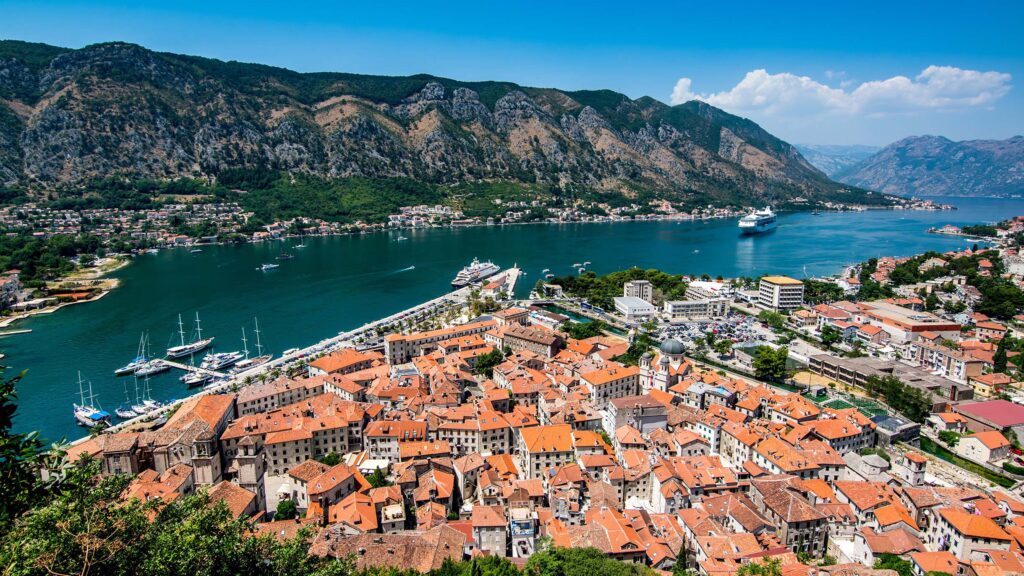
Beyond its physical allure, Montenegro boasts a history steeped in cultural influences from the Romans, Ottomans, and Venetians, which is evident in its architecture, cuisine, and traditions. Towns like Kotor and Budva offer glimpses into the past with their well-preserved medieval walls and historic buildings, while the capital, Podgorica, provides a more modern urban experience. The country’s compact size allows for easy exploration, making it possible to experience its varied offerings without the need for extensive travel. This accessibility is a significant draw for those wanting to immerse themselves in different environments within a short timeframe.
Significance for Digital Nomads
For digital nomads, Montenegro presents a compelling option due to its relatively low cost of living, growing infrastructure, and welcoming atmosphere. As remote work becomes increasingly prevalent, more professionals are seeking destinations that offer affordability without sacrificing quality of life. Montenegro fits this criterion, providing a cost-effective lifestyle compared to many Western European countries. Housing, dining, and transportation expenses are generally lower, allowing digital nomads to maintain a comfortable standard of living while potentially saving money.
Moreover, Montenegro’s commitment to improving its digital infrastructure is an attractive feature for remote workers. The country has been investing in reliable internet connectivity, especially in urban areas, to support the needs of digital professionals. For instance, in cities like Budva, you can find excellent facilities such as coworking spaces tailored to the needs of remote workers. One notable example is the coworking space in Budva , which provides a productive environment with high-speed internet and modern amenities. This focus on connectivity is crucial for maintaining productivity and ensuring seamless communication with clients and colleagues worldwide.
Additionally, the cultural openness and hospitality of Montenegrins create a welcoming environment for expatriates. English is widely spoken in tourist areas and among younger generations, easing the transition for non-native speakers. This linguistic accessibility, combined with the vibrant expatriate community, provides digital nomads with ample opportunities for social and professional networking. Overall, Montenegro offers a harmonious balance of affordability, beauty, and connectivity, making it an increasingly popular choice for those looking to blend work with the enriching experiences of living abroad.
Accommodation Costs
Understanding Accommodation Costs in Montenegro
When considering the cost of living in Montenegro, accommodation is a significant factor for digital nomads to evaluate. The choice between urban and rural living, as well as the decision to opt for short-term rentals or long-term leases, can greatly influence one’s budget and overall experience in the country.
Urban vs. Rural Living
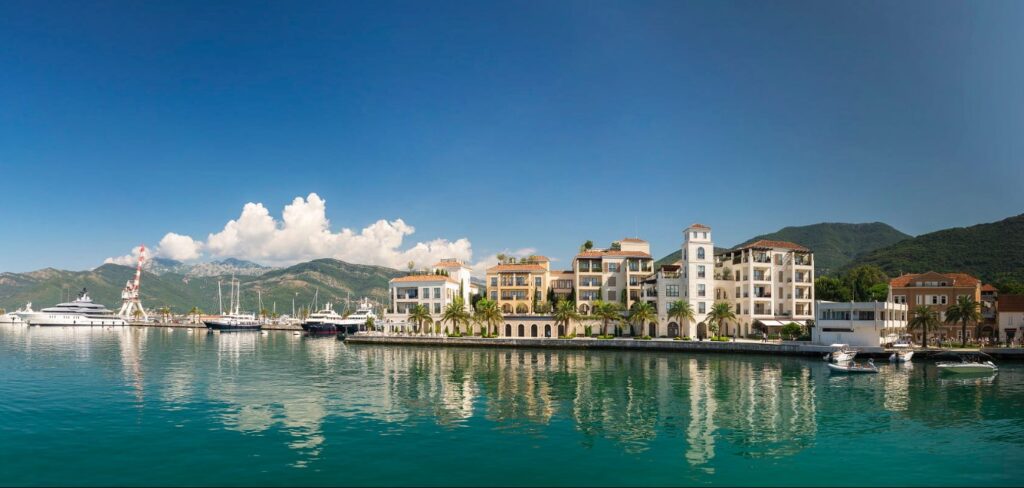
Montenegro offers a diverse range of living environments, from vibrant urban centers to tranquil rural retreats. Urban areas, such as Podgorica, Tivat, and Budva, tend to have higher rental prices, reflecting their appeal with more amenities and conveniences. In cities, digital nomads will find a variety of housing options, including modern apartments and well-furnished studios, often located close to coworking spaces, cafes, and other social hubs. The proximity to these amenities and the lively atmosphere make urban living a preferred choice for those who enjoy a dynamic lifestyle.
In contrast, rural areas present a more affordable alternative, with lower rental costs and a slower pace of life. These regions offer stunning natural surroundings and a sense of seclusion, ideal for those who seek peace and inspiration from nature. While the infrastructure in rural areas might not be as developed as in urban centers, the trade-off is often worth it for individuals who prioritize tranquility and a closer connection to Montenegro’s natural beauty.
Short-term Rentals
For digital nomads who plan to stay in Montenegro for a few weeks to several months, short-term rentals provide flexibility and convenience. Platforms like Airbnb and Booking.com offer numerous options tailored to short-term stays, ranging from entire apartments to private rooms in shared accommodations. These rentals often come fully furnished and equipped with essential amenities, making them an attractive option for those who prefer to move with ease and avoid the commitments of a long-term lease. However, it is important to note that short-term rentals can be more expensive on a per-month basis compared to long-term leases, particularly during the tourist high season.
Long-term Leases
For those intending to settle in Montenegro for a year or more, long-term leases can offer substantial savings and stability. Engaging in a long-term rental agreement typically reduces the monthly cost of accommodation, making it a budget-friendly option for digital nomads planning an extended stay. Long-term leases often require a more thorough process, including background checks and security deposits, but they provide permanence and the opportunity to personalize one’s living space. Real estate agencies and local rental websites can be valuable resources for finding long-term rental properties that fit a range of budgets and preferences.
In summary, the choice between urban and rural living, along with the decision to pursue short-term rentals or long-term leases, significantly impacts accommodation costs in Montenegro. By considering personal lifestyle preferences and budgetary constraints, digital nomads can find a living arrangement that enhances their experience in this picturesque country.
Food and Dining Expenses
Navigating Food and Dining Expenses in Montenegro
For digital nomads residing in Montenegro, understanding food and dining expenses is crucial for effective budgeting and enjoying the local culinary scene. Whether shopping for groceries, dining out, or exploring the spectrum of local and international cuisines, Montenegro offers a variety of options to suit different tastes and budgets.
Grocery Shopping
Grocery shopping in Montenegro can be an economically efficient way to manage living expenses, especially for those who prefer to prepare their meals at home. Supermarkets such as Voli, Idea, and Aroma provide a wide range of products, from fresh produce and dairy to household items. Prices are generally reasonable, with local products often being more affordable than imported goods. Additionally, small local markets and green bazaars offer fresh fruits, vegetables, and other staples, often at competitive prices. These markets provide an authentic shopping experience and the opportunity to purchase seasonal, locally-sourced produce, which can be both cost-effective and environmentally friendly.
Dining Out
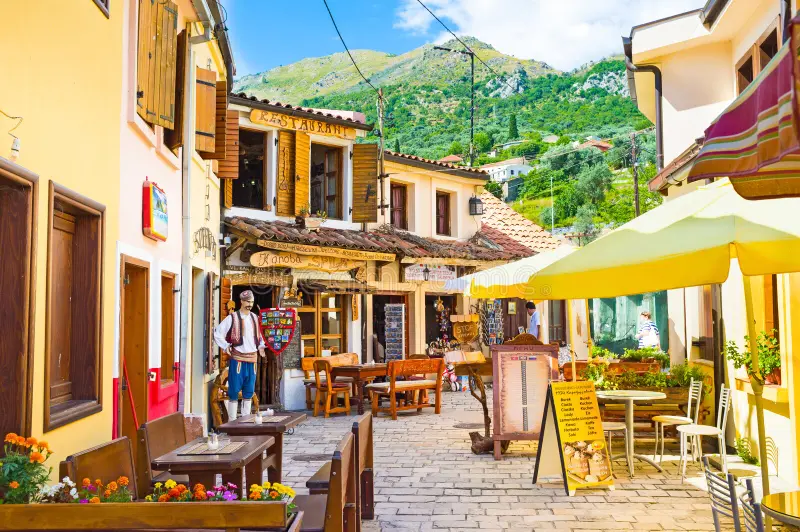
Dining out in Montenegro is an integral part of experiencing the local culture, and the country offers a variety of options to suit different budgets. From casual cafes and traditional konobas (taverns) to more upscale restaurants, the dining scene caters to a range of preferences. Eating out is generally affordable, with local dishes such as ćevapi, burek, and fresh seafood being popular and budget-friendly choices. In coastal towns, seafood is particularly fresh and often less expensive than in other European countries. For those on a tighter budget, street food and small eateries provide inexpensive yet delicious meals, perfect for quick bites or casual dining experiences.
Local vs. International Cuisine
Montenegro’s culinary offerings reflect its rich cultural tapestry, with local cuisine heavily influenced by Mediterranean and Balkan flavors. Traditional dishes emphasize fresh ingredients, herbs, and spices, creating a unique and flavorful dining experience. Exploring local cuisine allows digital nomads to immerse themselves in the culture and enjoy meals that are often cheaper than their international counterparts.
For those craving international flavors, Montenegro’s urban centers offer a growing selection of international cuisine. Italian, Chinese, and Middle Eastern restaurants are increasingly common, providing variety for expatriates and locals alike. However, dining on imported international cuisine can be more expensive, as these dishes often rely on imported ingredients. Balancing local and international dining experiences can help digital nomads manage their food budget while enjoying the diverse culinary landscape.
In summary, food and dining expenses in Montenegro offer flexibility and variety, enabling digital nomads to enjoy a rich culinary experience without straining their finances. By opting for a mix of grocery shopping, dining out, and enjoying both local and international cuisines, residents can savor the flavors of Montenegro while maintaining a balanced budget.
Transportation Costs
Understanding Transportation Costs in Montenegro
For digital nomads residing in Montenegro, transportation is a key aspect of daily life that impacts both convenience and budget. Navigating the options available, from public transit and car rentals to cycling and walking, can help manage living expenses while ensuring mobility throughout this picturesque country.
Public Transit Options
Montenegro offers a range of public transit options that are both affordable and practical for short-distance travel. Buses are the primary mode of public transport within cities and between towns, with routes that connect major urban centers such as Podgorica, Budva, and Kotor. The bus network is relatively extensive, although service frequency and coverage can vary, especially in more rural areas. Tickets are inexpensive, making buses an economical choice for digital nomads who wish to explore different parts of the country or commute within city limits. For longer distances, trains are available but are limited to specific routes, primarily connecting the northern and southern regions. While not as fast or frequent as buses, trains offer a scenic and cost-effective travel option.
Car Rentals and Fuel Prices
For those who prefer more flexibility and independence in their travel, renting a car can be a viable option. Car rentals in Montenegro are widely available, with numerous agencies offering competitive rates, particularly in tourist-heavy areas. Renting a car provides the freedom to explore at one’s own pace, accessing remote areas that might be less convenient by public transport. However, it is essential to consider the cost of fuel, which can be relatively high compared to other European countries. Fuel prices fluctuate based on global market conditions, and they can add a significant expense to the overall cost of renting a vehicle. Digital nomads opting for car rentals should plan their routes efficiently and consider sharing rides with others to offset fuel costs.
Cycling and Walking
Cycling and walking present cost-effective and environmentally friendly ways to navigate Montenegro’s urban areas. Many cities and towns are pedestrian-friendly, offering scenic routes that are ideal for walking. Walking not only saves on transportation costs but also provides a means to enjoy the local scenery and engage with the community. For those interested in cycling, Montenegro’s varied terrain offers both challenges and stunning landscapes. While cycling infrastructure may not be as developed as in some other European countries, bicycles can be a practical choice for short commutes and leisurely exploration. Investing in a bicycle or renting one can be an economical option, particularly for digital nomads residing in areas with limited public transport options.
In conclusion, transportation costs in Montenegro can be managed effectively by choosing the most suitable options based on individual needs and preferences. Whether utilizing public transit, renting a car, or opting for cycling and walking, digital nomads can enjoy the freedom to explore Montenegro while maintaining a reasonable budget.
Utilities and Internet
Navigating Utilities and Internet Costs in Montenegro
For digital nomads considering Montenegro as a temporary home, understanding the costs and logistics of utilities and internet services is essential for effective budgeting and maintaining a comfortable living environment. This includes managing expenses related to electricity, water, and internet, while also accounting for any seasonal variations that might affect these costs.
Electricity and Water
Utilities such as electricity and water are fundamental components of the cost of living in Montenegro. Electricity costs can vary depending on usage and the type of accommodation. Typically, electricity is billed monthly, and rates are influenced by factors such as the size of the dwelling and the efficiency of appliances. During colder months, heating needs can increase electricity consumption, especially in homes that rely on electric heating systems. Conversely, in the warmer months, air conditioning usage may also contribute to higher electricity bills. Water expenses are generally more stable and affordable, with charges based on usage. It is important for digital nomads to monitor their utility consumption to manage costs effectively and avoid unexpected bills.
Internet and Mobile Services
For remote workers, reliable internet access is a top priority. Montenegro offers a range of internet service providers that deliver various plans, including high-speed broadband and fiber-optic connections, particularly in urban areas. Prices are competitive, and packages often include both internet and cable television services. Digital nomads should compare different providers to find the best deals that suit their needs. In addition to home internet, mobile services are widely available, with several telecom companies offering prepaid and postpaid plans. Mobile data plans are reasonably priced, providing a useful backup for internet connectivity on-the-go. Ensuring a stable internet connection is crucial for maintaining productivity and communication with clients or colleagues abroad.
Seasonal Variations
Seasonal changes in Montenegro can influence utility costs, particularly those related to electricity. As mentioned, heating and cooling needs fluctuate with the seasons, impacting electricity consumption and costs. During the winter months, especially in regions with colder climates, heating can become a significant part of the utility bill. Conversely, in the summer, air conditioning may lead to increased electricity expenses. It is advisable for digital nomads to budget for these seasonal variations and explore energy-saving measures, such as using energy-efficient appliances and optimizing heating and cooling practices.
Overall, by understanding the nuances of utilities and internet services in Montenegro, digital nomads can make informed decisions to optimize their expenses and ensure a comfortable living environment. This awareness helps in maintaining a balanced budget while enjoying the benefits of living and working in this scenic Balkan country.
Healthcare and Insurance
Healthcare and Insurance Considerations in Montenegro
Digital nomads moving to Montenegro must prioritize understanding the healthcare landscape to ensure they have access to necessary medical services while managing costs effectively. This entails familiarizing themselves with the public healthcare system, exploring private insurance options, and evaluating the costs associated with medical services.
Public Healthcare System
Montenegro’s public healthcare system provides a baseline of medical services available to residents, including nationals and expatriates with the appropriate residency status. The system is funded through social security contributions, and public healthcare facilities are available throughout the country. While the quality of care is generally adequate for basic medical needs, the public system may face challenges such as longer wait times and limited resources, particularly in rural areas. Language barriers may also be an issue, as not all medical staff are fluent in English. Digital nomads who are eligible for public healthcare should consider these factors when planning their medical needs.
Private Insurance Options
For those seeking more comprehensive coverage or quicker access to medical services, private health insurance is a viable option. Numerous international and local insurance providers offer plans that cater to expatriates, covering a range of services from routine check-ups to specialist consultations and emergency care. Private insurance can provide access to private healthcare facilities, which often feature shorter wait times and English-speaking staff, enhancing the overall healthcare experience. The cost of private insurance varies based on the level of coverage and the individual’s health profile, but it is generally considered a prudent investment for digital nomads who prioritize flexibility and comprehensive care.
Cost of Medical Services
The cost of medical services in Montenegro is relatively affordable compared to Western European standards, making it an attractive destination for expatriates. A basic consultation with a general practitioner in a private clinic might range from 20 to 50 euros, while specialist consultations can be higher. Diagnostic tests and procedures are also reasonably priced, though costs can escalate for more complex treatments or surgeries. It is important for digital nomads to plan for both routine and unexpected medical expenses, taking into account the potential need for private insurance to cover more costly procedures.
By understanding the intricacies of Montenegro’s healthcare system, digital nomads can make informed decisions about their medical coverage and prepare for any healthcare needs that may arise during their stay. Evaluating the benefits of public healthcare and private insurance, alongside an awareness of medical service costs, ensures that expatriates can maintain their health and well-being while living and working in Montenegro.
Entertainment and Leisure
Exploring Entertainment and Leisure Opportunities in Montenegro
Montenegro, with its rich cultural heritage and diverse landscapes, offers digital nomads a wealth of entertainment and leisure activities that cater to a variety of interests. Whether indulging in cultural festivities, engaging in outdoor adventures, or experiencing vibrant nightlife, Montenegro provides ample opportunities to unwind and explore beyond the confines of work.
Cultural Activities
Montenegro’s cultural scene is a tapestry of historical influences and modern expressions, making it an intriguing destination for those interested in arts and history. The country hosts numerous cultural events throughout the year, ranging from traditional music festivals and art exhibitions to theatre performances. Cities like Kotor and Cetinje are renowned for their historical architecture and museums, offering deeper insights into Montenegro’s storied past. Additionally, local festivals celebrating everything from wine and olives to folklore and religious traditions provide a unique glimpse into Montenegrin culture. For digital nomads, participating in these activities not only enriches their cultural experience but also fosters a greater connection with the local community.
Outdoor Recreation
The natural beauty of Montenegro serves as a playground for outdoor enthusiasts, offering a wide array of recreational activities. The majestic mountains provide excellent opportunities for hiking, climbing, and skiing, with national parks like Durmitor and Prokletije being popular destinations for exploring scenic trails and wildlife. The Adriatic coast, with its clear waters and stunning beaches, is ideal for water sports such as kayaking, sailing, and diving. Lakes and rivers also abound, inviting fishing, rafting, and leisurely picnics. Engaging in outdoor activities allows digital nomads to maintain a healthy lifestyle while enjoying the breathtaking landscapes that Montenegro has to offer.
Nightlife
Montenegro’s nightlife scene is as diverse as its cultural and natural offerings. From lively bars and clubs in bustling cities like Podgorica and Budva to quaint taverns in smaller towns, there is something for everyone. The coastal regions, in particular, come alive at night, especially during the summer months, with beach parties and open-air concerts featuring local and international DJs. For a more relaxed evening, digital nomads can explore wine bars or enjoy live music at a local cafe. The nightlife provides an excellent opportunity to socialize and meet people from all walks of life, creating memorable experiences outside of the work environment.
In conclusion, Montenegro’s entertainment and leisure options are diverse and abundant, offering digital nomads a chance to immerse themselves in the country’s vibrant culture, stunning natural settings, and dynamic social scene. By balancing work with these enriching activities, expatriates can enjoy a fulfilling and well-rounded experience during their stay in this captivating Balkan nation.
Conclusion
Concluding Insights on the Cost of Living in Montenegro
Navigating the cost of living in Montenegro offers digital nomads an opportunity to enjoy a high quality of life without the financial strain often associated with other European destinations. By understanding and managing expenses related to accommodation, food, transportation, utilities, and leisure activities, individuals can make informed decisions that enhance their experience in this picturesque country.
Summary of Costs
Montenegro is generally considered affordable compared to Western Europe, with several key areas influencing the overall cost of living. Housing expenses vary based on location, with urban centers typically commanding higher rents than rural areas, although both remain reasonably priced. Food and dining costs are manageable, with grocery shopping providing the most economical option, while dining out, particularly on local cuisine, remains accessible. Transportation expenses are kept low thanks to a robust public transit system, though costs can rise for those opting for car rentals. Utilities, including electricity, water, and internet, are fairly priced, although seasonal variations may impact costs. Entertainment and leisure activities are diverse and offer good value, allowing digital nomads to explore cultural and natural attractions without overspending.
Tips for Budgeting as a Digital Nomad
Effective budgeting is crucial for digital nomads to maximize their stay in Montenegro. Starting with accommodation, it is advisable to weigh the benefits of short-term rentals versus long-term leases based on the intended duration of stay and lifestyle preferences. For food, balancing home-cooked meals with occasional dining out can help manage expenses while enjoying local culinary experiences. Utilizing public transportation or considering cycling and walking can minimize transportation costs, while also offering a chance to explore Montenegro more intimately.
When it comes to utilities and internet, keeping track of energy consumption and choosing the right service plans can prevent unexpected expenses. Engaging in free or low-cost cultural and outdoor activities can enrich the experience without straining the budget. Additionally, it is prudent to set aside a portion of the budget for healthcare, ensuring access to necessary medical services and insurance coverage.
By adopting these budgeting strategies, digital nomads can enjoy a fulfilling and financially sustainable lifestyle in Montenegro. The combination of affordable living, stunning landscapes, and vibrant culture makes Montenegro an appealing destination for those seeking a balanced and enriching remote work experience.