Understanding Montenegro’s Digital Landscape
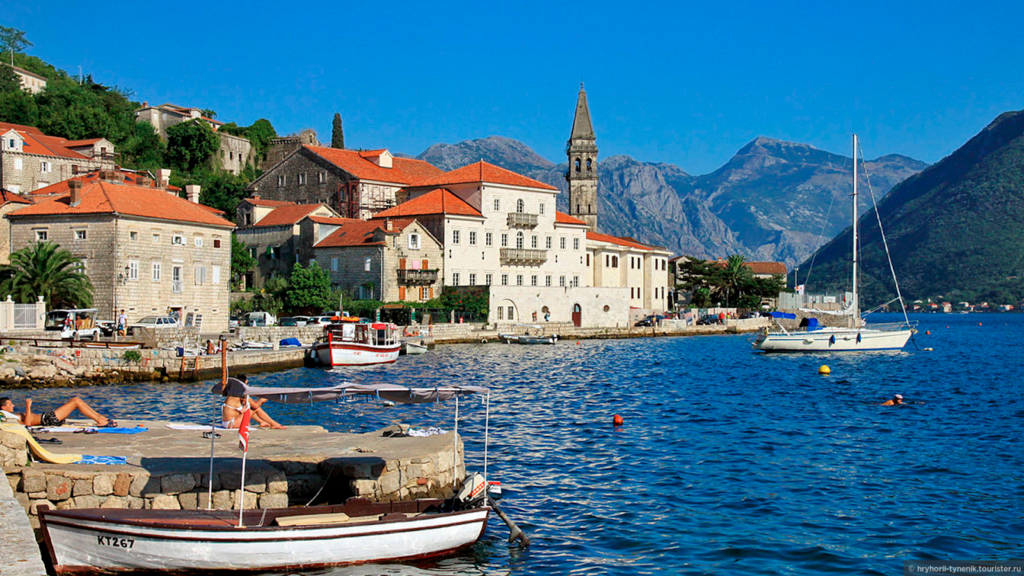
Montenegro, a picturesque country known for its stunning natural beauty and rich cultural heritage, is increasingly becoming a hub for digital nomads. This trend is supported by the country’s evolving digital landscape, which has seen significant advancements in recent years. The Montenegrin government and private sector have made concerted efforts to improve the nation’s internet and technology infrastructure, recognizing the importance of digital connectivity for economic growth and international appeal. Internet availability has expanded, with both urban and rural areas benefiting from improved coverage and speed. Various internet service providers offer competitive packages, catering to the needs of residents and expatriates alike.
The development of mobile networks and the proliferation of coworking spaces further enhance Montenegro’s digital environment, making it more attractive for remote workers. For instance, cities like Budva now host modern coworking spaces in Montenegro , providing digital nomads with professional environments equipped with high-speed internet and collaborative amenities. These infrastructural improvements reflect Montenegro’s commitment to fostering a conducive environment for digital entrepreneurship and innovation. For digital nomads, understanding the nuances of this digital landscape is crucial for maximizing productivity and ensuring a seamless remote work experience.
Importance for Digital Nomads
For digital nomads, reliable internet and tech infrastructure are essential components in choosing a location for work and living. Montenegro’s progress in this area is a significant draw for remote workers seeking a balance between professional obligations and the opportunity to explore new cultures and environments. With its growing reputation as a digital nomad-friendly destination, Montenegro offers the essential technological tools required for efficient remote work, including high-speed internet, mobile connectivity, and access to modern coworking facilities.
In addition to technical considerations, the country’s natural beauty, affordable cost of living, and vibrant culture make it an appealing choice for digital nomads. This combination of factors allows remote workers to enjoy a high quality of life while maintaining their work commitments. The ability to work from scenic locations, engage with a diverse community, and participate in local activities adds to the allure of Montenegro as a base for digital nomads.
As Montenegro continues to enhance its digital infrastructure, digital nomads can look forward to an increasingly robust and supportive environment. By understanding the current state of internet and tech infrastructure in Montenegro, remote workers can make informed decisions about their work locations and take full advantage of the opportunities this captivating country offers.
Internet Connectivity
Examining Internet Connectivity in Montenegro
As Montenegro positions itself as an attractive destination for digital nomads, understanding the nuances of its internet connectivity is crucial for remote workers planning to set up base in the country. The availability and quality of internet services directly impact the productivity and work experience of digital nomads, making it an essential consideration when choosing a location.
Availability and Coverage
In recent years, Montenegro has made significant strides in expanding internet availability and coverage across the country. Major urban centers such as Podgorica, Tivat, and Budva benefit from widespread and robust internet services, supported by a range of providers that offer various packages tailored to different needs. These cities boast comprehensive coverage, ensuring that residents and digital nomads have consistent access to the internet, whether at home, in coworking spaces, or in cafes.
In rural areas, while the pace of development has been slower, efforts are underway to enhance connectivity. Many regions now have access to internet services, although coverage can be more variable compared to urban locations. Digital nomads considering rural settings for their tranquil environments should assess the availability of internet services in these areas, potentially exploring satellite or mobile broadband solutions to ensure reliable access.
Speed and Reliability
Internet speed and reliability are pivotal for remote work, and Montenegro has been actively improving these aspects to meet global standards. In urban areas, fiber-optic connections are increasingly common, providing high-speed internet that supports demanding tasks such as video conferencing, large file transfers, and seamless streaming. Average internet speeds in these regions are competitive, allowing digital nomads to maintain productivity without frequent disruptions.
Reliability is another critical factor, and Montenegro’s internet providers have invested in infrastructure to minimize downtime and ensure stable connections. While urban areas generally enjoy consistent service, digital nomads in rural regions should verify the reliability of local internet services and consider backup options, such as mobile hotspots, to mitigate potential connectivity challenges.
By understanding the landscape of internet connectivity in Montenegro, digital nomads can make informed decisions about where to live and work, ensuring that their choice of location aligns with their professional needs. The country’s ongoing efforts to enhance internet infrastructure reflect Montenegro’s commitment to supporting the growing community of remote workers and ensuring they have the resources necessary for success.
Mobile Networks
Exploring Mobile Networks in Montenegro
For digital nomads in Montenegro, mobile networks play a crucial role in ensuring seamless connectivity and flexibility, whether for work or personal use. Understanding the landscape of mobile network providers and the options available for data plans is essential for staying connected while navigating Montenegro’s diverse environments.
Network Providers
Montenegro hosts several reputable mobile network providers that offer extensive coverage across the country. The primary operators include Telekom Crne Gore (T-Mobile), Telenor Montenegro, and m:tel. These companies provide robust network services that cover major urban areas and extend into rural regions, ensuring that users can maintain connectivity even in more remote locations. Each provider offers a range of services, including voice calls, text messaging, and mobile internet, catering to the varied needs of residents and visitors alike.
Digital nomads can benefit from the competitive landscape among these providers, which often results in attractive deals and promotions. The networks are generally reliable, with ongoing investments in infrastructure to enhance service quality and expand 4G LTE coverage. As Montenegro continues to develop its digital infrastructure, these improvements are crucial for supporting the growing community of remote workers who rely on mobile networks for both work and leisure.
Data Plans and Costs
When it comes to data plans, Montenegro’s mobile providers offer a variety of options to suit different usage patterns and budgets. Prepaid and postpaid plans are available, allowing digital nomads to choose based on their preferences and duration of stay. Prepaid plans offer flexibility, with no long-term commitment, making them ideal for short-term visitors or those who wish to maintain control over their spending. These plans typically include a combination of data, voice, and SMS, with the ability to top up as needed.
For those staying longer or with heavier data needs, postpaid plans often provide better value, featuring larger data allowances and additional benefits such as discounted international calls or roaming options. The cost of mobile data in Montenegro is relatively affordable compared to many Western European countries, allowing digital nomads to stay connected without incurring excessive expenses.
Understanding the offerings of mobile network providers and the structure of data plans can help digital nomads make informed decisions that align with their connectivity needs and budget. By leveraging the competitive services available, remote workers in Montenegro can ensure they have the reliable mobile connectivity necessary to support their professional and personal pursuits.
Tech Infrastructure in Urban Areas
Exploring Tech Infrastructure in Montenegro’s Urban Areas
Urban centers in Montenegro, such as Podgorica, Tivat, and Budva, are increasingly embracing the digital era by enhancing their tech infrastructure to support the needs of digital nomads and remote workers. Key elements of this infrastructure include the availability of coworking spaces and public Wi-Fi, both essential for maintaining productivity and connectivity in a dynamic work environment.
Coworking Spaces
The rise of coworking spaces in Montenegro’s urban areas reflects the growing demand for flexible and collaborative work environments. These spaces cater to digital nomads and entrepreneurs who seek an alternative to traditional office settings, offering a blend of functionality and community engagement. Coworking spaces in cities like Podgorica and Tivat provide a range of amenities, including high-speed internet, meeting rooms, and shared office equipment, ensuring that remote workers have access to the tools they need for efficient work.
In addition to practical facilities, coworking spaces offer a vibrant community atmosphere, fostering networking and collaboration among like-minded professionals. Many spaces host events, workshops, and networking sessions, providing opportunities for skill development and business growth. For digital nomads, joining a coworking space can be an invaluable way to integrate into the local professional scene, creating connections that enhance both their work experience and personal fulfillment.
Public Wi-Fi Availability
Public Wi-Fi availability is another critical component of Montenegro’s urban tech infrastructure, offering digital nomads flexibility and convenience. Many cafes, restaurants, and public spaces in urban areas provide free Wi-Fi access, allowing remote workers to stay connected while enjoying the local ambiance. This accessibility is particularly beneficial for those who prefer a change of scenery or are on the move, enabling them to work from various locations without being tethered to a single spot.
Municipal initiatives have also contributed to expanding public Wi-Fi networks, with some cities offering free internet access in central squares and parks. While public Wi-Fi can offer convenience, it is important for digital nomads to exercise caution and use secure connections to protect their data and privacy. Utilizing VPNs and ensuring encrypted connections are simple yet effective measures to enhance cybersecurity when using public networks.
By leveraging the tech infrastructure available in Montenegro’s urban areas, digital nomads can enjoy a productive and enriching work experience. The combination of coworking spaces and widespread public Wi-Fi access supports a flexible and dynamic work environment, catering to the diverse needs of remote workers in this picturesque Balkan nation.
Tech Infrastructure in Rural Areas
Navigating Tech Infrastructure in Montenegro’s Rural Areas
Rural areas in Montenegro offer digital nomads a unique opportunity to experience the country’s breathtaking natural landscapes and tranquil environments. However, these regions also present specific challenges related to tech infrastructure, particularly in terms of connectivity. Understanding these challenges and exploring potential solutions is essential for remote workers seeking to balance the allure of rural life with their professional responsibilities.
Challenges and Opportunities
One of the primary challenges digital nomads face in Montenegro’s rural areas is the variability in internet coverage and quality. Unlike urban centers, where high-speed fiber-optic connections are readily available, rural regions may experience slower internet speeds and less reliable connections. This can pose difficulties for remote workers who rely on stable internet for tasks such as video conferencing, large data transfers, and continuous online collaboration.
Despite these challenges, rural Montenegro offers unique opportunities for digital nomads who prioritize tranquility and natural beauty. The serene environment can foster creativity and focus, providing an ideal backdrop for those engaged in tasks that benefit from minimal distractions. Furthermore, the lower cost of living in rural areas often allows remote workers to enjoy a higher quality of life, with access to outdoor activities such as hiking, cycling, and exploring Montenegro’s national parks.
Connectivity Solutions
To address connectivity challenges in rural areas, digital nomads can explore a range of solutions to ensure consistent internet access. One option is to invest in mobile broadband services, which utilize cellular networks to provide internet access. Many mobile network providers in Montenegro offer data plans that include mobile hotspots, enabling remote workers to stay connected even in areas with limited fixed-line internet availability.
Additionally, satellite internet services offer an alternative for those in remote locations without access to traditional broadband infrastructure. While satellite internet can be more expensive and may have higher latency, it provides a viable solution for maintaining connectivity in areas where other options are limited.
Digital nomads can also consider utilizing coworking spaces or cafes in nearby towns with better connectivity for tasks that require higher bandwidth. By planning their work schedules around these visits, remote workers can capitalize on the best of both worlds—enjoying the peace of rural life while ensuring their professional needs are met.
By understanding the challenges and exploring these connectivity solutions, digital nomads can successfully navigate the tech infrastructure in Montenegro’s rural areas. This approach allows them to fully experience the country’s stunning landscapes while maintaining the productivity required for their remote work endeavors.
Cybersecurity Considerations
Ensuring Cybersecurity for Digital Nomads in Montenegro
As digital nomads settle in Montenegro, understanding cybersecurity considerations is vital for protecting personal and professional data. The country’s legal framework for data protection and the implementation of safe internet practices are crucial components for maintaining security while working remotely.
Data Protection Laws
Montenegro has made significant strides in aligning its data protection regulations with European standards, particularly through the implementation of the Law on Personal Data Protection. This legislation is designed to safeguard individuals’ personal information by regulating how data is collected, processed, and stored. It aligns with the General Data Protection Regulation (GDPR) of the European Union, emphasizing principles such as data minimization, consent, and transparency.
For digital nomads, this means that businesses operating within Montenegro are required to adhere to stringent data protection standards, offering a degree of assurance regarding how their personal information is handled. However, it is important for digital nomads to remain informed about their rights under these laws and to engage with companies that demonstrate compliance with data protection regulations. This awareness can help ensure that their data is managed responsibly and securely.
Safe Internet Practices
In addition to understanding legal protections, digital nomads must adopt safe internet practices to protect their data from cyber threats. Utilizing virtual private networks (VPNs) is a crucial step, as VPNs encrypt internet traffic, making it difficult for malicious actors to intercept sensitive information. This is particularly important when using public Wi-Fi networks, which can be vulnerable to security breaches.
Implementing strong, unique passwords for online accounts and enabling two-factor authentication wherever possible adds another layer of security. Regularly updating software and applications is also essential, as these updates often include patches for security vulnerabilities.
Digital nomads should also be cautious about the information they share online and be aware of phishing attempts and other cyber threats. Being vigilant about the authenticity of emails and messages can prevent falling victim to scams designed to steal personal information.
By understanding Montenegro’s data protection laws and adopting robust internet security practices, digital nomads can safeguard their personal and professional data while working remotely. This proactive approach to cybersecurity not only protects individual privacy but also enhances the overall digital experience in this beautiful Balkan nation.
Conclusion
Concluding Insights on Montenegro’s Digital Landscape for Nomads
As Montenegro continues to evolve as a digital nomad destination, understanding its internet and tech infrastructure becomes crucial for remote workers seeking a productive and fulfilling experience. Montenegro offers robust urban connectivity, with expanding services in rural areas, supported by mobile networks that provide comprehensive coverage. The availability of coworking spaces and public Wi-Fi in urban centers enhances the flexibility and productivity of digital nomads, while rural areas offer unique opportunities balanced by specific connectivity challenges.
Final Recommendations for Digital Nomads
Digital nomads planning to work from Montenegro should prioritize assessing internet connectivity that aligns with their professional needs. In urban areas, leveraging coworking spaces can provide reliable work environments and opportunities for networking and collaboration. For those drawn to the tranquility of rural settings, exploring mobile broadband or satellite solutions can ensure consistent connectivity.
Security is paramount, so understanding data protection laws and employing safe internet practices will safeguard personal and professional data. Utilizing VPNs, maintaining strong passwords, and staying informed about cybersecurity threats are essential measures.
Embracing Montenegro’s tech infrastructure involves balancing technological needs with the country’s scenic and cultural offerings. By being proactive in addressing connectivity and security considerations, digital nomads can enjoy Montenegro’s vibrant landscapes and communities, all while maintaining a successful remote work lifestyle. This holistic approach ensures that digital nomads can fully embrace the opportunities Montenegro has to offer, enriching both their professional endeavors and personal experiences in this captivating nation.
